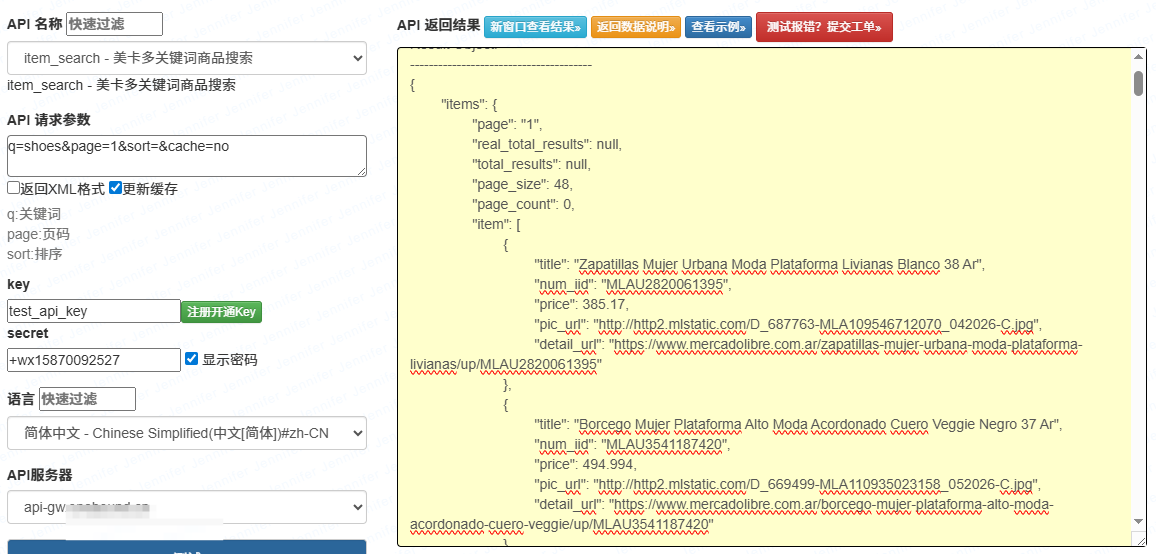
速卖通商品采集API全解析:从接口调用到跨境电商数据流搭建
一、为什么需要速卖通商品采集API?
速卖通(AliExpress)作为全球最大的跨境电商平台之一,拥有超过 1.5 亿活跃买家和数以亿计的 SKU。对于跨境电商从业者、反向海淘独立站运营者、选品工具开发者而言,高效获取速卖通商品数据是业务运转的核心基础设施。
传统的人工采集方式存在三大痛点:
| 痛点 | 具体表现 | 影响 |
|---|---|---|
| 效率瓶颈 | 人工复制粘贴,单日最多采集数百条 | 无法规模化 |
| 数据滞后 | 价格、库存变动无法实时同步 | 丢单、客诉 |
| 合规风险 | 爬虫方案容易被反爬机制封禁 | 数据中断、IP被封 |
通过速卖通商品采集API,可以实现毫秒级数据获取、批量采集、实时同步,彻底解决以上问题。
二、速卖通商品采集API核心能力一览
一套完整的速卖通商品采集API通常包含以下接口模块:
2.1 商品搜索接口
根据关键词、类目、价格区间等条件,搜索速卖通平台上的商品列表。
典型请求参数:
GET /api/aliexpress/search

参数说明:
  keyword      string  搜索关键词,如 "wireless earbuds"
  page         int     页码,默认 1
  page_size    int     每页条数,默认 20,最大 50
  sort         string  排序方式:price_asc / price_desc / orders_desc / rating_desc
  min_price    float   最低价格(美元)
  max_price    float   最高价格(美元)
  ship_to      string  目的国家代码,如 "US"、"RU"
  language     string  返回语言,如 "en"、"ru"、"pt"
返回数据结构:
{
"code"
:
200
,
"message"
:
"success"
,
"data"
:
{
"total"
:
12580
,
"page"
:
1
,
"page_size"
:
20
,
"products"
:
[
{
"product_id"
:
"1005006218491234"
,
"title"
:
"Wireless Earbuds Bluetooth 5.3 TWS"
,
"image_url"
:
"https://ae-pic-a1.aliexpress-media.com/..."
,
"price"
:
3.45
,
"original_price"
:
8.99
,
"discount"
:
"62% OFF"
,
"orders"
:
15234
,
"rating"
:
4.8
,
"store_name"
:
"TechWorld Official Store"
,
"store_id"
:
"12345678"
,
"ship_to_country"
:
"US"
,
"shipping_fee"
:
0.00
,
"product_url"
:
"https://www.aliexpress.com/item/1005006218491234.html"
}
]
}
}
2.2 商品详情接口
根据商品ID获取完整的商品详情,包括 SKU 规格属性、多图、描述、物流信息等。
GET /api/aliexpress/product/detail

参数说明:
  product_id   string  速卖通商品ID
  ship_to      string  目的国家代码(影响物流费计算)
  language     string  返回语言
返回数据结构:
{
"code"
:
200
,
"message"
:
"success"
,
"data"
:
{
"product_id"
:
"1005006218491234"
,
"title"
:
"Wireless Earbuds Bluetooth 5.3 TWS Earphone"
,
"description"
:
"Product description HTML content..."
,
"main_images"
:
[
"https://ae-pic-a1.aliexpress-media.com/kf/xxx.jpg"
,
"https://ae-pic-a1.aliexpress-media.com/kf/yyy.jpg"
,
"https://ae-pic-a1.aliexpress-media.com/kf/zzz.jpg"
]
,
"sku_props"
:
[
{
"prop_name"
:
"Color"
,
"prop_values"
:
[
{
"name"
:
"Black"
,
"image"
:
"https://..."
}
,
{
"name"
:
"White"
,
"image"
:
"https://..."
}
,
{
"name"
:
"Blue"
,
"image"
:
"https://..."
}
]
}
,
{
"prop_name"
:
"Plug Type"
,
"prop_values"
:
[
{
"name"
:
"US"
,
"image"
:
""
}
,
{
"name"
:
"EU"
,
"image"
:
""
}
]
}
]
,
"skus"
:
[
{
"sku_id"
:
"1005006218491234_001"
,
"prop_path"
:
"Color:Black;Plug Type:US"
,
"price"
:
3.45
,
"stock"
:
9999
,
"sku_image"
:
"https://..."
}
,
{
"sku_id"
:
"1005006218491234_002"
,
"prop_path"
:
"Color:White;Plug Type:EU"
,
"price"
:
3.45
,
"stock"
:
5678
,
"sku_image"
:
"https://..."
}
]
,
"price"
:
3.45
,
"original_price"
:
8.99
,
"orders"
:
15234
,
"rating"
:
4.8
,
"reviews_count"
:
3456
,
"store"
:
{
"store_id"
:
"12345678"
,
"store_name"
:
"TechWorld Official Store"
,
"store_rating"
:
4.9
,
"store_followers"
:
234567
}
,
"shipping"
:
{
"ship_to"
:
"US"
,
"shipping_fee"
:
0.00
,
"shipping_method"
:
"AliExpress Standard Shipping"
,
"estimated_delivery"
:
"15-30 days"
}
,
"product_url"
:
"https://www.aliexpress.com/item/1005006218491234.html"
}
}
2.3 店铺商品批量采集接口
根据店铺ID批量获取该店铺下所有商品列表,适用于竞品监控和全店采集场景。
GET /api/aliexpress/store/products

参数说明:
  store_id     string  速卖通店铺ID
  page         int     页码
  page_size    int     每页条数
  sort         string  排序方式
2.4 物流运费查询接口
GET /api/aliexpress/shipping/fee

参数说明:
  product_id   string  商品ID
  sku_id       string  SKU ID(可选)
  ship_to      string  目的国家代码
  ship_from    string  发货国家代码(可选)
三、代码实战:用 Python 调用速卖通采集API
3.1 基础封装
import requests
import json
from typing import Optional, List, Dict


class AliExpressAPI:
    """速卖通商品采集API客户端"""

    BASE_URL = "https://api.your-domain.com/api/aliexpress"

    def __init__(self, api_key: str):
        self.api_key = api_key
        self.session = requests.Session()
        self.session.headers.update({
            "Authorization": f"Bearer {self.api_key}",
            "Content-Type": "application/json",
            "User-Agent": "AliExpressAPI-Python/1.0"
        })

    def search_products(
        self,
        keyword: str,
        page: int = 1,
        page_size: int = 20,
        sort: str = "orders_desc",
        min_price: Optional[float] = None,
        max_price: Optional[float] = None,
        ship_to: str = "US",
        language: str = "en"
    ) -> Dict:
        """搜索速卖通商品"""
        params = {
            "keyword": keyword,
            "page": page,
            "page_size": page_size,
            "sort": sort,
            "ship_to": ship_to,
            "language": language
        }
        if min_price is not None:
            params["min_price"] = min_price
        if max_price is not None:
            params["max_price"] = max_price

        resp = self.session.get(f"{self.BASE_URL}/search", params=params, timeout=30)
        resp.raise_for_status()
        return resp.json()

    def get_product_detail(
        self,
        product_id: str,
        ship_to: str = "US",
        language: str = "en"
    ) -> Dict:
        """获取商品详情"""
        params = {
            "product_id": product_id,
            "ship_to": ship_to,
            "language": language
        }
        resp = self.session.get(f"{self.BASE_URL}/product/detail", params=params, timeout=30)
        resp.raise_for_status()
        return resp.json()

    def get_store_products(
        self,
        store_id: str,
        page: int = 1,
        page_size: int = 20,
        sort: str = "orders_desc"
    ) -> Dict:
        """批量获取店铺商品"""
        params = {
            "store_id": store_id,
            "page": page,
            "page_size": page_size,
            "sort": sort
        }
        resp = self.session.get(f"{self.BASE_URL}/store/products", params=params, timeout=30)
        resp.raise_for_status()
        return resp.json()

    def get_shipping_fee(
        self,
        product_id: str,
        ship_to: str,
        sku_id: Optional[str] = None
    ) -> Dict:
        """查询物流运费"""
        params = {
            "product_id": product_id,
            "ship_to": ship_to
        }
        if sku_id:
            params["sku_id"] = sku_id

        resp = self.session.get(f"{self.BASE_URL}/shipping/fee", params=params, timeout=30)
        resp.raise_for_status()
        return resp.json()
3.2 批量采集实战
import time
from dataclasses import dataclass


@dataclass
class CollectedProduct:
    """采集商品数据模型"""
    product_id: str
    title: str
    price: float
    image_url: str
    orders: int
    rating: float
    store_name: str
    product_url: str


def batch_collect_by_keyword(
    api: AliExpressAPI,
    keyword: str,
    max_pages: int = 10,
    page_size: int = 50,
    ship_to: str = "US",
    delay: float = 0.5
) -> List[CollectedProduct]:
    """
    按关键词批量采集速卖通商品
    - max_pages: 最大采集页数
    - page_size: 每页条数
    - delay: 每页间隔(秒),避免触发限流
    """
    all_products = []

    for page in range(1, max_pages + 1):
        print(f"[采集] 关键词={keyword}, 第 {page}/{max_pages} 页...")

        result = api.search_products(
            keyword=keyword,
            page=page,
            page_size=page_size,
            ship_to=ship_to
        )

        if result.get("code") != 200:
            print(f"[错误] API返回异常: {result.get('message')}")
            break

        products = result["data"]["products"]
        if not products:
            print("[完成] 没有更多商品了")
            break

        for p in products:
            all_products.append(CollectedProduct(
                product_id=p["product_id"],
                title=p["title"],
                price=p["price"],
                image_url=p["image_url"],
                orders=p.get("orders", 0),
                rating=p.get("rating", 0),
                store_name=p.get("store_name", ""),
                product_url=p["product_url"]
            ))

        print(f"  -> 本页采集 {len(products)} 条,累计 {len(all_products)} 条")
        time.sleep(delay)

    return all_products


def collect_with_sku_details(
    api: AliExpressAPI,
    product_ids: List[str],
    ship_to: str = "US",
    delay: float = 0.3
) -> List[Dict]:
    """
    批量获取商品详情(含SKU规格)
    适用于需要采集完整规格属性的场景
    """
    details = []

    for i, pid in enumerate(product_ids, 1):
        print(f"[详情] 获取商品 {i}/{len(product_ids)}: {pid}")

        result = api.get_product_detail(pid, ship_to=ship_to)

        if result.get("code") == 200:
            details.append(result["data"])
        else:
            print(f"  -> 失败: {result.get('message')}")

        time.sleep(delay)

    return details
3.3 数据存储
import sqlite3
import csv
from pathlib import Path


def save_to_csv(products: List[CollectedProduct], filepath: str):
    """将采集结果保存为CSV"""
    with open(filepath, "w", newline="", encoding="utf-8-sig") as f:
        writer = csv.writer(f)
        writer.writerow([
            "商品ID", "标题", "价格(USD)", "图片URL",
            "销量", "评分", "店铺名称", "商品链接"
        ])
        for p in products:
            writer.writerow([
                p.product_id, p.title, p.price, p.image_url,
                p.orders, p.rating, p.store_name, p.product_url
            ])
    print(f"[保存] CSV文件已生成: {filepath}(共 {len(products)} 条)")


def save_to_sqlite(products: List[CollectedProduct], db_path: str):
    """将采集结果保存到SQLite数据库"""
    conn = sqlite3.connect(db_path)
    cursor = conn.cursor()

    cursor.execute("""
        CREATE TABLE IF NOT EXISTS aliexpress_products (
            product_id TEXT PRIMARY KEY,
            title TEXT,
            price REAL,
            image_url TEXT,
            orders INTEGER,
            rating REAL,
            store_name TEXT,
            product_url TEXT,
            collected_at TEXT DEFAULT (datetime('now', 'localtime'))
        )
    """)

    for p in products:
        cursor.execute("""
            INSERT OR REPLACE INTO aliexpress_products
            (product_id, title, price, image_url, orders, rating, store_name, product_url)
            VALUES (?, ?, ?, ?, ?, ?, ?, ?)
        """, (
            p.product_id, p.title, p.price, p.image_url,
            p.orders, p.rating, p.store_name, p.product_url
        ))

    conn.commit()
    conn.close()
    print(f"[保存] SQLite数据库已更新: {db_path}(共 {len(products)} 条)")
3.4 完整调用示例
if __name__ == "__main__":
    # 初始化API客户端
    api = AliExpressAPI(api_key="YOUR_API_KEY")

    # 1. 按关键词批量采集
    products = batch_collect_by_keyword(
        api=api,
        keyword="wireless earbuds",
        max_pages=5,
        page_size=50,
        ship_to="US"
    )

    # 2. 保存采集结果
    save_to_csv(products, "aliexpress_earbuds.csv")
    save_to_sqlite(products, "aliexpress_products.db")

    # 3. 获取Top 10热销商品的详情(含SKU)
    top_10 = sorted(products, key=lambda x: x.orders, reverse=True)[:10]
    details = collect_with_sku_details(
        api=api,
        product_ids=[p.product_id for p in top_10]
    )

    print(f"\n=== 采集完成 ===")
    print(f"商品列表: {len(products)} 条")
    print(f"商品详情: {len(details)} 条")
    print(f"Top 1 热销: {top_10[0].title} (销量: {top_10[0].orders})")
四、典型业务场景
场景一:反向海淘独立站选品
反向海淘(从国内电商平台采购,发货到海外)是近年来快速增长的跨境模式。通过速卖通采集API可以实现:
热销选品:按类目 + 销量排序,快速发现爆款
价格监控:定时采集目标商品价格,自动调价
库存同步:实时获取SKU库存状态,避免超卖
一键上架:采集商品标题、图片、描述,自动同步到独立站
# 反向海淘选品示例:采集3C类目月销>1000的热销品
products = batch_collect_by_keyword(
    api=api,
    keyword="phone case",
    max_pages=20,
    page_size=50,
    sort="orders_desc",
    ship_to="US"
)

# 筛选月销>1000的高潜力商品
hot_products = [p for p in products if p.orders > 1000]
场景二:竞品价格监控
def monitor_competitor_prices(api, product_ids, interval=3600):
    """
    定时监控竞品价格变化
    - interval: 采集间隔(秒),默认1小时
    """
    while True:
        for pid in product_ids:
            detail = api.get_product_detail(pid)
            if detail["code"] == 200:
                data = detail["data"]
                print(f"[监控] {data['title'][:30]}... "
                      f"当前价格: ${data['price']} "
                      f"原价: ${data['original_price']} "
                      f"销量: {data['orders']}")

                # 价格低于阈值时告警
                if data["price"] < 2.0:
                    print(f"  >>> 价格预警!商品 {pid} 降至 ${data['price']}")

        time.sleep(interval)
场景三:数据驱动的选品分析
import statistics

def analyze_market(api, keyword, max_pages=10):
    """市场分析:采集数据并输出市场洞察"""
    products = batch_collect_by_keyword(api, keyword, max_pages=max_pages)

    prices = [p.price for p in products]
    orders = [p.orders for p in products]
    ratings = [p.rating for p in products]

    report = {
        "关键词": keyword,
        "采集数量": len(products),
        "价格区间": f"${min(prices):.2f} - ${max(prices):.2f}",
        "平均价格": f"${statistics.mean(prices):.2f}",
        "价格中位数": f"${statistics.median(prices):.2f}",
        "平均销量": f"{statistics.mean(orders):.0f}",
        "最高销量": f"{max(orders)}",
        "平均评分": f"{statistics.mean(ratings):.2f}",
    }

    print("\n=== 市场分析报告 ===")
    for k, v in report.items():
        print(f"  {k}: {v}")

    return report
五、API调用最佳实践
5.1 限流与重试策略
import time
from functools import wraps

def retry_with_backoff(max_retries=3, base_delay=1.0):
    """
    指数退避重试装饰器
    当API返回 429(限流)或 5xx 错误时自动重试
    """
    def decorator(func):
        @wraps(func)
        def wrapper(*args, **kwargs):
            for attempt in range(max_retries + 1):
                try:
                    result = func(*args, **kwargs)

                    # 检查是否被限流
                    if isinstance(result, dict) and result.get("code") == 429:
                        delay = base_delay * (2 ** attempt)
                        print(f"[限流] 第{attempt+1}次重试,等待{delay}秒...")
                        time.sleep(delay)
                        continue

                    return result

                except requests.exceptions.RequestException as e:
                    if attempt < max_retries:
                        delay = base_delay * (2 ** attempt)
                        print(f"[网络异常] {e},{delay}秒后重试...")
                        time.sleep(delay)
                    else:
                        raise

            return None
        return wrapper
    return decorator


# 使用方式
class ResilientAliExpressAPI(AliExpressAPI):

    @retry_with_backoff(max_retries=3, base_delay=1.0)
    def search_products(self, *args, **kwargs):
        return super().search_products(*args, **kwargs)

    @retry_with_backoff(max_retries=3, base_delay=1.0)
    def get_product_detail(self, *args, **kwargs):
        return super().get_product_detail(*args, **kwargs)
5.2 异步并发采集
import asyncio
import aiohttp

class AsyncAliExpressAPI:
    """异步速卖通API客户端,适用于大规模采集场景"""

    BASE_URL = "https://api.your-domain.com/api/aliexpress"

    def __init__(self, api_key: str, max_concurrency: int = 5):
        self.api_key = api_key
        self.semaphore = asyncio.Semaphore(max_concurrency)

    async def get_product_detail(
        self,
        session: aiohttp.ClientSession,
        product_id: str,
        ship_to: str = "US"
    ) -> Dict:
        headers = {"Authorization": f"Bearer {self.api_key}"}
        params = {"product_id": product_id, "ship_to": ship_to}

        async with self.semaphore:
            async with session.get(
                f"{self.BASE_URL}/product/detail",
                headers=headers,
                params=params,
                timeout=aiohttp.ClientTimeout(total=30)
            ) as resp:
                return await resp.json()

    async def batch_get_details(
        self,
        product_ids: List[str],
        ship_to: str = "US"
    ) -> List[Dict]:
        """并发获取多个商品详情"""
        async with aiohttp.ClientSession() as session:
            tasks = [
                self.get_product_detail(session, pid, ship_to)
                for pid in product_ids
            ]
            results = await asyncio.gather(*tasks, return_exceptions=True)

        # 过滤异常结果
        valid_results = [
            r for r in results
            if isinstance(r, dict) and r.get("code") == 200
        ]
        return valid_results


# 使用示例
async def main():
    api = AsyncAliExpressAPI(api_key="YOUR_API_KEY", max_concurrency=5)

    product_ids = ["1005006218491234", "1005006218495678", "1005006218499012"]
    details = await api.batch_get_details(product_ids)

    print(f"成功获取 {len(details)}/{len(product_ids)} 条商品详情")

asyncio.run(main())
5.3 数据缓存策略
import hashlib
import json
from datetime import datetime, timedelta

class APICache:
    """简易内存缓存,减少重复API调用"""

    def __init__(self, ttl_seconds=3600):
        self.cache = {}
        self.ttl = ttl_seconds

    def _make_key(self, endpoint: str, params: dict) -> str:
        raw = f"{endpoint}:{json.dumps(params, sort_keys=True)}"
        return hashlib.md5(raw.encode()).hexdigest()

    def get(self, endpoint: str, params: dict):
        key = self._make_key(endpoint, params)
        if key in self.cache:
            data, timestamp = self.cache[key]
            if datetime.now() - timestamp < timedelta(seconds=self.ttl):
                print(f"[缓存命中] {endpoint}")
                return data
        return None

    def set(self, endpoint: str, params: dict, data: dict):
        key = self._make_key(endpoint, params)
        self.cache[key] = (data, datetime.now())


# 使用带缓存的API
class CachedAliExpressAPI(AliExpressAPI):
    def __init__(self, api_key: str, cache_ttl=3600):
        super().__init__(api_key)
        self.cache = APICache(cache_ttl)

    def get_product_detail(self, product_id: str, **kwargs):
        params = {"product_id": product_id, **kwargs}

        # 先查缓存
        cached = self.cache.get("product/detail", params)
        if cached:
            return cached

        # 缓存未命中,调用API
        result = super().get_product_detail(product_id, **kwargs)

        if result.get("code") == 200:
            self.cache.set("product/detail", params, result)

        return result
六、技术架构设计:从API到数据流
对于有大规模采集需求的企业用户,推荐以下架构设计:
┌─────────────────────────────────────────────────────────┐
│                    业务应用层                            │
│  (选品工具 / 价格监控 / 独立站同步 / 数据分析看板)         │
└────────────────────────┬────────────────────────────────┘
                         │
┌────────────────────────▼────────────────────────────────┐
│                  API SDK / 客户端                         │
│  (Python / Java / Node.js / PHP 多语言SDK)              │
└────────────────────────┬────────────────────────────────┘
                         │
┌────────────────────────▼────────────────────────────────┐
│               速卖通采集API 服务层                        │
│  ┌──────────┐ ┌──────────┐ ┌──────────┐ ┌──────────┐  │
│  │ 商品搜索  │ │ 商品详情  │ │ 店铺采集  │ │ 物流查询  │  │
│  └──────────┘ └──────────┘ └──────────┘ └──────────┘  │
│  ┌──────────┐ ┌──────────┐ ┌──────────┐               │
│  │ 限流管控  │ │ 数据清洗  │ │ 缓存加速  │               │
│  └──────────┘ └──────────┘ └──────────┘               │
└────────────────────────┬────────────────────────────────┘
                         │
┌────────────────────────▼────────────────────────────────┐
│                   数据存储层                              │
│  (MySQL / MongoDB / Elasticsearch / Redis)              │
└──────────────────────────────────────────────────────────┘
架构要点:
| 层级 | 核心组件 | 说明 |
|---|---|---|
| 业务应用层 | 选品工具、价格监控、独立站同步 | 直接服务于业务运营 |
| SDK层 | 多语言客户端封装 | 降低接入门槛,统一调用方式 |
| API服务层 | 接口服务 + 限流 + 缓存 | 保证稳定性和性能 |
| 存储层 | 关系库 + 缓存 + 搜索引擎 | 满足不同查询场景 |
七、选型建议:自建爬虫 vs API服务
| 对比维度 | 自建爬虫 | 采集API服务 |
|---|---|---|
| 开发成本 | 高(需维护反爬对抗、解析逻辑) | 低(直接调用接口) |
| 稳定性 | 低(页面改版即失效) | 高(接口稳定,SLA保障) |
| 数据覆盖 | 受反爬限制 | 全品类覆盖 |
| 维护成本 | 持续投入 | 零维护 |
| 合规风险 | 高 | 低(合规数据源) |
| 实时性 | 低 | 高(秒级获取) |
| 扩展性 | 差 | 好(按需调用更多接口) |
建议:对于日均采集量超过 500 条的业务场景,直接使用采集API服务的综合成本远低于自建爬虫。
八、常见问题(FAQ)
Q1:API返回的数据是否实时?
A:商品搜索接口数据延迟通常在 1-5 分钟以内,商品详情接口为实时获取。价格、库存等关键字段建议以详情接口为准。
Q2:API有调用频率限制吗?
A:通常按API Key维度限流,常见限制为每秒 10-50 次请求,每日上限根据套餐不同从 1 万到 100 万次不等。建议在客户端做好限流和缓存。
Q3:可以采集到SKU级别的规格和库存吗?
A:可以。商品详情接口返回完整的 SKU 属性(颜色、尺寸等)及对应的SKU价格、库存数量。
Q4:支持哪些国家/语言?
A:速卖通覆盖 200+ 国家和地区,支持 20+ 语言。通过 ship_to 和 language 参数控制返回的目标国家和语言。
Q5:图片可以下载到本地吗?
A:API返回的图片URL为速卖通CDN地址,可直接下载。建议对采集到的图片做本地化存储,避免依赖第三方CDN。
九、总结
速卖通商品采集API是跨境电商数据基础设施的核心组件。本文从接口能力、代码实现、业务场景、架构设计四个维度进行了系统讲解:
核心接口:商品搜索、详情、店铺批量采集、物流查询
代码实战:Python SDK封装 + 批量采集 + 异步并发 + 数据存储
业务场景:反向海淘选品、竞品监控、市场分析
工程实践:限流重试、异步并发、数据缓存
架构设计:从SDK到存储的四层架构
对于跨境电商从业者和独立站运营者而言,选对数据接口服务商比自建爬虫更高效、更稳定。如果你正在搭建反向海淘系统或需要速卖通数据接口,欢迎联系我们获取API文档和技术支持。